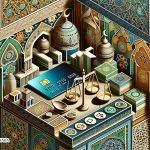
In the digital age, the question of whether it is permissible (halal) or forbidden (haram) to make money from online business is increasingly relevant. This article explores the Islamic viewpoint on engaging in digital commerce, ensuring that your venture aligns with the principles of Sharia law. Click to get more information about halal vs haram topics discussed in today’s world.
Understanding Halal and Haram in Online Business
The Basis of Halal Earnings in Islam: Islam emphasizes that all earnings should be halal, advocating for ethical, moral, and lawful means of making a living. The Holy Quran and Hadiths provide clear guidelines on what constitutes halal (permissible) and haram (forbidden) income.
Online Business Under Islamic Law: Engaging in online business becomes a subject of Islamic jurisprudence (Fiqh) when considering the nature of the transactions involved. The digital platform does not inherently change the criteria for what is considered halal or haram; rather, it is the content, nature, and transactions of the business that determine its permissibility.
Key Considerations for Halal Online Businesses
Product and Service Nature: The core product or service offered online must be halal. Selling or promoting goods or services that are explicitly forbidden in Islam, such as alcohol, pork products, gambling, and usurious (riba) financial services, is considered haram.
Ethical Advertising: The manner in which products or services are marketed online should adhere to Islamic ethics. This means avoiding deceitful practices, misleading information, or exploiting vulnerable individuals.
Fair Transactions: Islam places a strong emphasis on justice and fairness in all transactions. Online businesses must ensure that their dealings are transparent, with clear information on prices, product details, and return policies, avoiding any form of cheating or harm to the customer.
Respect for Intellectual Property: Respecting copyrights and intellectual property rights is crucial in online businesses. Islam discourages plagiarism and the unauthorized use of someone else’s work without permission.
Privacy and Confidentiality: Ensuring the privacy and security of online transactions and customer information is vital. Islam values the protection of individual rights, including personal data.
Making Your Online Business Halal
To ensure your online business is halal, start by seeking knowledge and understanding of Islamic principles related to commerce. Consultation with knowledgeable Islamic scholars can provide valuable insights into how to align your business practices with Islamic law. Incorporating Islamic ethics into your business model not only ensures compliance with Sharia law but also builds trust and credibility among your Muslim clientele. This approach can enhance the reputation of your online business and contribute to a sustainable, ethical, and socially responsible enterprise.
Conclusion
In conclusion, making money from an online business is not haram in Islam, provided that the business operates within the boundaries of Islamic law. By focusing on halal products and services, ethical marketing, fair transactions, respect for intellectual property, and the privacy of customers, Muslims can successfully engage in online commerce that is both profitable and compliant with Islamic teachings.
At Best Istikhara, we are committed to guiding our readers through the complexities of modern living while staying true to Islamic principles. For more insights and guidance on conducting halal online businesses, stay tuned to our website.