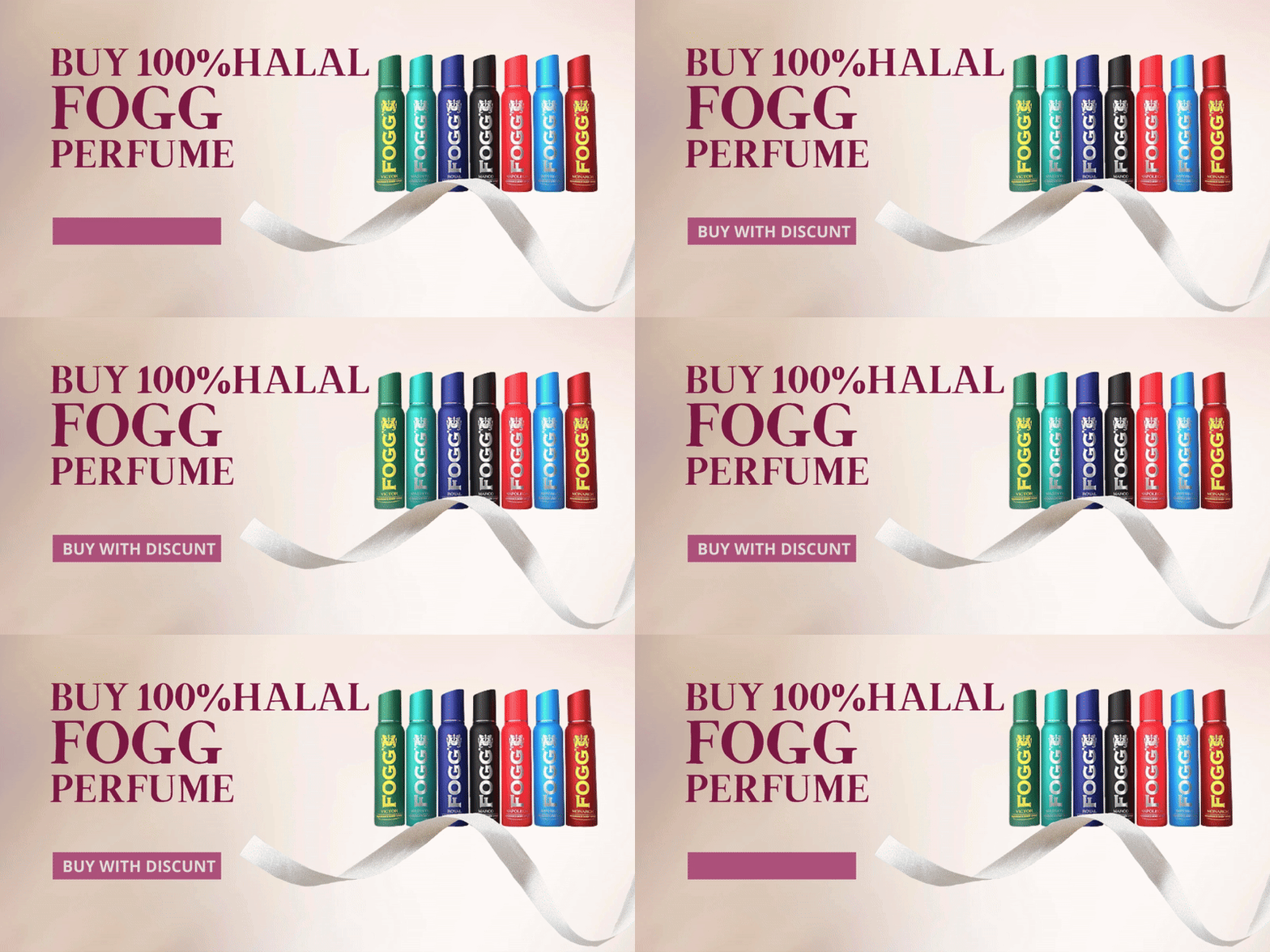
In the realm of personal care and fragrances, the question of whether products align with Islamic principles is of paramount importance to Muslim consumers. Fogg Perfume, known for its extensive range of scents and long-lasting fragrance, finds itself at the heart of this inquiry. The debate surrounding its halal or haram status not only touches upon the ingredients used but also delves into the manufacturing processes, shedding light on the broader dialogue about modern lifestyle choices and traditional religious observances. This exploration aims to offer clarity and guidance by examining Fogg Perfume’s compliance with Sharia law, thus aiding Muslims in making informed decisions that respect their faith while embracing contemporary offerings in personal care. Click to get more information about halal vs haram topics discussed in today’s world.
Fogg Perfume Under Islamic Law: Halal or Haram?
Determining whether Fogg Perfume is halal or haram in Islam hinges on its ingredients and manufacturing processes, in adherence to Sharia law. The core issue often revolves around the presence of alcohol and animal-derived ingredients in perfumes. In Islamic tradition, consumption of alcohol is strictly prohibited, raising questions about its use in non-consumable products like perfumes. Fogg, a popular brand in the fragrance industry, has not publicly disclosed detailed formulations, making it crucial for Muslim consumers to investigate the product’s halal certification.
For a product to be deemed halal, it must not contain any haram substances and must be processed and manufactured using equipment that is free from contamination with haram substances. Some Islamic scholars argue that the use of alcohol in perfumes is permissible when it is not intended for ingestion and does not impurify the wearer in a way that prevents prayer. However, opinions vary, and some communities prefer to err on the side of caution by opting for alcohol-free alternatives. The halal status of Fogg Perfumes could also depend on individual product lines and their specific compositions. It’s advisable for consumers to look for official halal certifications or consult with religious authorities to ensure the products align with their personal and religious beliefs.
Is Fogg Perfume Sharia-Compliant?
Decoding the ingredients of Fogg Perfume and assessing its Sharia-compliance is crucial for Muslim consumers. The Islamic law, or Sharia, sets clear guidelines on what is considered halal (permissible) and haram (forbidden), especially in consumables and personal care products. For a product like Fogg Perfume to be deemed halal, its ingredients must not contain alcohol or any other haram substances that are prohibited in Islam.
Fogg Perfumes, popular for their long-lasting fragrance, have their ingredient list scrutinized by Islamic scholars and halal certification bodies. The primary concern revolves around the use of alcohol, commonly used in perfume manufacturing. Alcohol derived from natural sources and not intended for consumption might be considered permissible by some Islamic scholars, provided it undergoes a transformation process (istihala). Moreover, the brand’s commitment to transparency and compliance with halal standards is critical. This involves ensuring that all ingredients, including fragrances and solvents, adhere to halal guidelines. Certifications from recognized Islamic bodies can serve as a testament to the product’s compliance, offering peace of mind to Muslim consumers seeking to align their choices with their faith. Understanding the nuances of these ingredients and the process behind making Fogg Perfumes helps determine their Sharia compliance, guiding Muslim users in making informed decisions aligned with their religious beliefs.
Fogg Perfume & Alcohol: Halal Status?
The debate over the presence of alcohol in perfumes and its acceptance within Islamic law is a contentious one, with Fogg Perfume finding itself in the spotlight. The concern primarily stems from alcohol’s haram status in Islam when ingested. However, the use of alcohol in perfumes, especially as a solvent and fixative, is widespread in the fragrance industry. Fogg Perfume, recognized for its diverse and potent scents, incorporates ingredients that ensure longevity and quality. The key question for Muslim consumers is whether the type of alcohol used in Fogg Perfumes is considered permissible under Sharia law. Islamic scholars differ in their opinions, with some asserting that non-consumable products containing alcohol are acceptable, while others advise caution. Fogg’s standing in this debate hinges on its formulation specifics and whether it adheres to the stringent guidelines set forth by halal certification authorities. Transparency about the ingredients and the halal certification process can offer reassurance to consumers, providing a clear stance on where Fogg Perfumes align within the halal-haram spectrum.
Scholars’ Halal Verdict on Fogg
The verdict of Islamic scholars on the halal status of Fogg Perfume plays a crucial role in determining its acceptability within the Muslim community. Given the importance of adhering to Islamic dietary laws, which extend to the use of personal care products, the scrutiny of Fogg Perfume’s ingredients is paramount. Islamic scholars conduct thorough reviews to ensure that the product does not contain any haram (forbidden) substances, with a specific focus on alcohol content and the source of fragrance components. The halal certification process involves a detailed analysis, not just of the physical ingredients, but also of the manufacturing and handling processes to ensure they comply with Sharia law. Scholars’ endorsements or criticisms of Fogg Perfume hinge on these examinations, guiding Muslim consumers in their choices. When Fogg Perfume receives halal certification from recognized Islamic bodies, it signifies compliance with these strict guidelines, reassuring consumers about its suitability in a halal lifestyle.
Conclusion
In conclusion, the inquiry into whether Fogg Perfume is halal or haram within Islam underscores the importance of aligning modern consumer products with traditional Islamic principles. Through the analysis of ingredients, the examination of manufacturing processes, and the scrutiny under Islamic law, Fogg Perfume’s position within the halal-haram spectrum is clarified. The involvement of Islamic scholars and the pursuit of halal certification play pivotal roles in determining the product’s compliance with Sharia. For Muslim consumers, this investigation offers not just clarity but also reassurance that their choices can reflect their faith. As the dialogue around halal personal care products continues to evolve, Fogg Perfume’s journey towards ensuring its products meet these religious standards highlights a commitment to inclusivity and respect for religious beliefs. Ultimately, the decision on whether Fogg Perfume aligns with one’s personal interpretation of Islamic law rests with the individual, guided by informed scholarship and transparent product disclosures.