
The intersection of beauty practices and Islamic law is a nuanced subject, deeply intertwined with cultural, religious, and personal beliefs. Eyebrow coloring, as a form of beautification, raises questions about its permissibility within Islam. This exploration is not just about cosmetic preferences but delves into the broader Islamic principles governing personal grooming and adornment. The topic touches upon various aspects, including the intention behind beautification, the nature of the products used, and scholarly interpretations of Islamic texts. Understanding these dynamics is essential for Muslim individuals seeking to align their beauty routines with their faith. As we navigate this complex topic, we must consider the diverse opinions and practices within the Islamic community, reflecting a religion that accommodates varying contexts and interpretations. Click to get more information about halal vs haram topics discussed in today’s world.
What Does Islam Say About Beautification?
Islam provides comprehensive guidance on many aspects of life, including personal grooming and beautification. Within the Islamic framework, beautification is recognized as permissible, provided it adheres to modesty and does not involve altering one’s creation in a manner forbidden by Islamic law. The primary sources of Islamic jurisprudence, the Quran and Hadith, offer insights into how Muslims can approach personal care harmoniously with their faith.

Islamic View on Beauty & Grooming
The Islamic perspective on beautification and personal grooming is one of balance. Islam encourages cleanliness and self-care, considering them significant aspects of a Muslim’s life. The Prophet Muhammad (peace be upon him) emphasized the importance of cleanliness, stating it is half of faith. However, the discussion becomes nuanced when it comes to specific acts of beautification, such as eyebrow coloring. The key considerations include whether such practices align with Islamic principles of modesty, do not involve deceit or harm, and do not imitate practices specific to non-Muslim cultures in a way that diminishes Islamic identity. This backdrop sets the stage for a detailed exploration of eyebrow coloring, ensuring that any conclusions drawn are deeply rooted in Islamic teachings and the broader context of beautification in Islam.
Eyebrow Coloring in Islam: Halal or Haram?
In Islamic jurisprudence, the halal or haram status of eyebrow coloring hinges on the principles of modifying one’s body and its intention. There are no direct Quranic verses that specifically address the topic of eyebrow coloring. However, Hadiths and Islamic scholars often reference general guidelines for personal beautification and altering one’s appearance. A widely cited Hadith from Sahih Muslim prohibits plucking eyebrows (an-names), which some scholars interpret as a caution against changing one’s features for vanity. Yet, this interpretation varies among Islamic scholars.
The Concern of Eyebrow Color: Reference to Verses and Hadiths
The primary Islamic concern with eyebrow coloring is whether it constitutes a deceitful alteration of Allah’s creation or if it is simply an enhancement of one’s natural beauty. Scholars who view it as permissible argue that if the intention (niyyah) is to beautify oneself for one’s spouse or maintain personal hygiene without deceiving or changing Allah’s creation permanently, it can be considered halal. On the other hand, permanent alterations like tattooing eyebrows are generally viewed as haram due to altering one’s natural features. The distinction often lies in the method and permanence of the coloring, with temporary methods being more widely accepted. This nuanced view encourages Muslims to consider their intentions and the nature of the beauty practices they adopt, seeking a balance between self-expression and adherence to Islamic principles.
Scholarly Opinions on Eyebrow Coloring: A Spectrum of Views
The Islamic scholarly community offers a range of opinions on eyebrow coloring, reflecting the diversity and richness of Islamic jurisprudence. These differing views illustrate the flexibility within Islam to accommodate various cultural practices and personal choices, provided they align with the principles of modesty and integrity.
Scholars’ Views on Eyebrow Dye
Some scholars, adhering to a strict interpretation of the Hadiths, consider any form of eyebrow coloring that alters the natural creation impermissible. Others offer a more lenient view, suggesting that if eyebrow coloring is done in a way that does not deceive or permanently change Allah’s creation, it may be permissible. This includes temporary eyebrow coloring for beautification within the bounds of marriage or to correct a deformity as long as it doesn’t involve lying or harming oneself. There’s also a distinction between coloring that resembles tattooing (permanent) and that which is washable (temporary), with the latter often seen as more acceptable. This spectrum of opinions encourages individual Muslims to consult their conscience and their local or trusted religious authorities to make informed decisions that best reflect their understanding of Islamic teachings and their circumstances.
Permanent vs Temporary Dye
In Islamic discourse, the distinction between permanent and temporary eyebrow coloring is significant when determining their halal status. This differentiation stems from the Islamic principle of preserving the natural state of Allah’s creation unless there is a compelling reason for change.
Halal Status: Permanent Methods and Temporary Methods
Permanent eyebrow coloring methods, such as tattooing, are generally considered haram (prohibited) because they involve changing Allah’s creation in a lasting way and can cause harm to the body, which goes against the teachings of Islam. On the other hand, temporary methods like dyeing or using eyebrow pencils are often deemed permissible (halal) because they are seen as an enhancement rather than a modification of the natural state. These temporary solutions do not permanently alter the body and can be washed away, thus respecting the principle of avoiding unnecessary harm and preserving the natural creation of Allah. However, the permissibility of temporary methods is contingent on the intention behind their use and ensuring that the products used are halal and safe.
Natural Ingredients in Eyebrow Dyes: A Halal Perspective
Using natural ingredients in eyebrow dyes is a significant consideration from a halal perspective. Islamic law emphasizes cleanliness, safety, and the avoidance of harm, guiding Muslims towards products that are not only permissible but also beneficial to one’s health and well-being.
Choosing Halal Eyebrow Dye: Halal Certified Materials
Opting for eyebrow dyes that contain natural or halal-certified ingredients ensures compliance with Islamic principles, primarily when these products avoid harmful chemicals and substances prohibited in Islam. Using natural ingredients minimizes the risk of skin damage and aligns with the Islamic emphasis on preserving the body’s integrity and health. Moreover, halal certification guarantees the product meets strict purity and ethical standards, reflecting a commitment to Islamic dietary laws and ethical considerations. This careful selection process underscores a holistic approach to beauty that respects religious guidelines while promoting personal care and well-being.
Cultural Variations in the Acceptance of Eyebrow Coloring
The acceptance and practice of eyebrow coloring in Islamic cultures vary significantly across regions, reflecting a rich tapestry of interpretations and traditions. This diversity is rooted in changing scholarly opinions, local customs, and the integration of cultural heritage with religious observance.
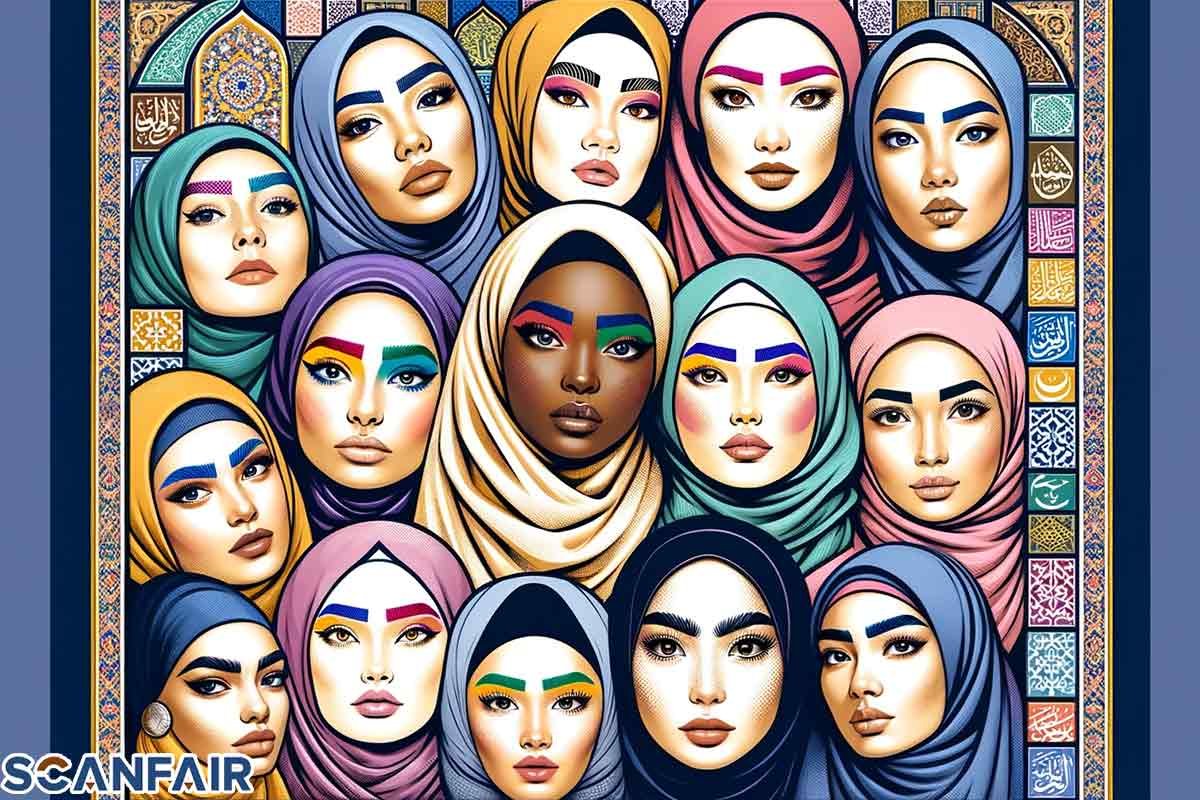
Cultural Views on Eyebrow Coloring
In some Islamic societies, eyebrow coloring is embraced as part of traditional beauty routines. It often uses natural substances like henna, which is seen as halal due to its temporary nature and natural origin. Regions such as South Asia and the Middle East have a long history of using henna for cosmetic purposes, including eyebrow tinting, which aligns with cultural and Islamic practices. Conversely, in other areas, the focus might be more on the conservative interpretation of Islamic teachings, prioritizing the preservation of natural beauty as created by Allah and viewing any form of eyebrow coloring with skepticism. The acceptance of eyebrow coloring, therefore, not only reflects religious beliefs but also the cultural heritage and societal norms of each Islamic community, showcasing the religion’s adaptability to diverse cultural contexts.
How to Choose Halal Eyebrow Coloring Products?
Selecting eyebrow coloring products that comply with Islamic principles requires careful consideration of their ingredients and certification. For Muslims, ensuring that beauty routines align with halal standards is crucial, not just for dietary laws but also for personal care products.
Guide to Halal Dye Selection
To choose halal eyebrow coloring products, look for halal certification from a recognized Islamic authority. This certification ensures that the product meets strict guidelines regarding ingredient purity and manufacturing processes. Next, scrutinize the ingredient list for any haram (forbidden) substances, such as alcohol or animal-derived ingredients not processed according to Islamic law. Opt for products that use natural and organic components, which are more likely to be halal. Additionally, consider the manufacturer’s reputation and commitment to ethical and halal standards. By following these steps, Muslims can find eyebrow-coloring options that respect their religious principles while allowing for personal expression and beauty enhancement.
Conclusion
Selecting halal eyebrow coloring products involves careful consideration of ingredients and certification. Look for products labeled explicitly as halal-certified, which indicates they have been scrutinized and approved by Islamic authorities for compliance with Sharia law. This certification ensures the absence of haram substances such as alcohol or ingredients derived from prohibited animals. Additionally, prioritize products with natural ingredients, as these are more likely to be in harmony with Islamic principles regarding purity and health. Reading labels and researching brands that commit to ethical and halal manufacturing processes can guide Muslims in making choices that align with their faith and personal beauty standards.