
Donkey milk has been cherished throughout history, dating back to ancient civilizations like the Greeks and Egyptians, who prized it for its nutritional and medicinal properties. This rare milk is known for its close resemblance to human breast milk in terms of its nutritional composition, containing essential fatty acids, vitamins, and minerals, making it a highly sought-after alternative for those with dairy allergies or seeking healthful benefits. Its high lactose and low-fat composition, along with a rich presence of antimicrobial enzymes, makes it unique among other milk. Historically, it has been used as a sustenance and in beauty regimes by iconic figures such as Cleopatra for its skin-softening and regenerative properties. In modern times, the interest in donkey milk has seen a resurgence, not only for its health benefits but also for its potential in sustainable farming practices. Click to get more information about halal vs haram topics discussed in today’s world.
The Islamic Perspective on Donkey Milk
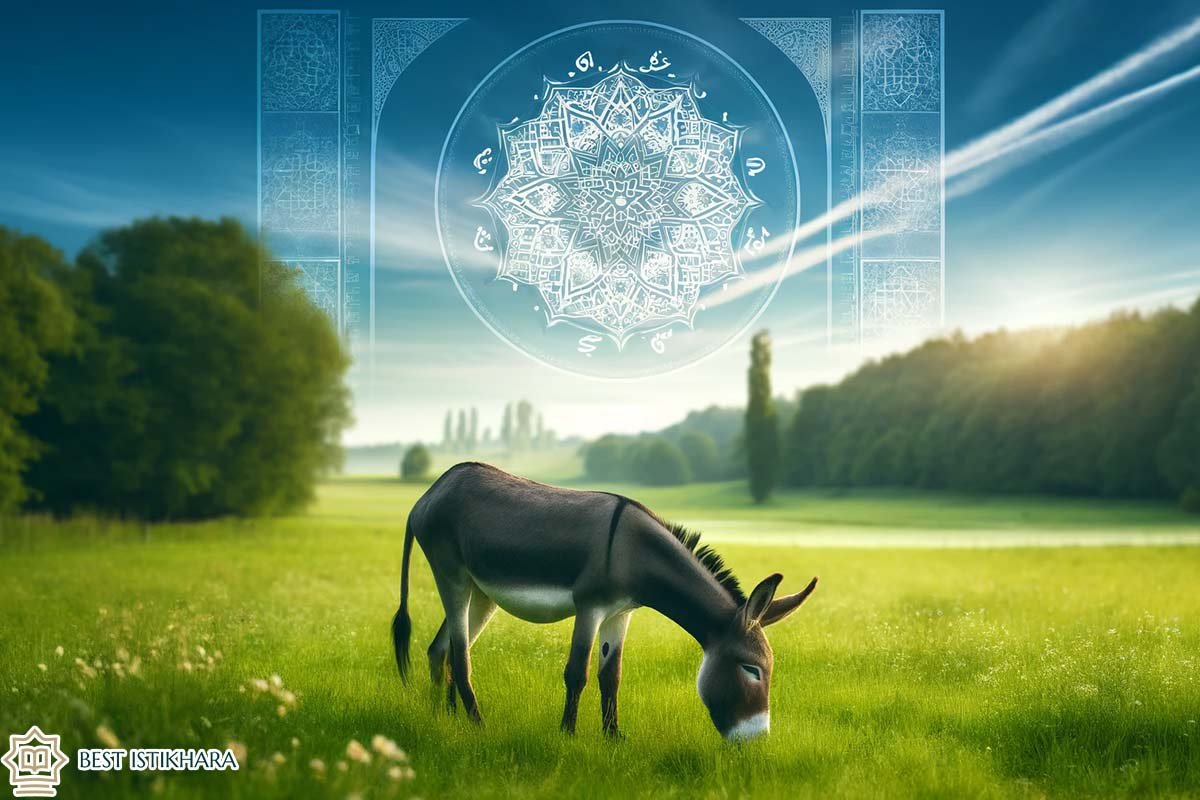
Within Islamic dietary laws, the halal status of various foods and beverages is meticulously outlined, with milk generally considered halal. However, the specific consideration of donkey milk requires a nuanced understanding of Islamic jurisprudence. Classical Islamic scholarship offers varied perspectives on the consumption of donkey milk, largely dependent on interpretations of hadiths and the Quran. Some scholars argue that certain narrations suggest the prohibition of consuming domestic donkey meat yet do not explicitly mention milk, leading to debates on its permissibility.
Islamic Views on Donkey Milk’s Halal Status
Islamic dietary laws, known as halal, are derived from the Quran and the Hadiths, providing guidelines on permissible food and drink. The debate over donkey milk’s halal status hinges on interpretations of these texts. While the Quran does not directly address donkey milk, several hadiths discuss the consumption of domestic donkeys, generally in the context of their meat. Scholarly opinions diverge significantly: some scholars cite a hadith from Sahih Bukhari suggesting the prohibition of domestic donkey meat after the Battle of Khaibar, implying a general avoidance of donkeys as a food source, potentially extending to milk. Others argue for a distinction between meat and milk, noting the absence of explicit prohibition of donkey milk and suggesting its permissibility based on the principle that what is not expressly forbidden in Islam is permissible. This divergence reflects the broader Islamic tradition of ijtihad, where scholars interpret texts to apply Islamic principles to new situations, indicating the ongoing discussion around donkey milk within Islamic dietary law.
Donkey Milk: Halal or Haram?
Whether donkey milk is halal or haram stirs considerable debate among Islamic scholars, rooted in interpretations of Islamic law. Milk, in general, is considered halal across many Islamic traditions, with the exception primarily of animals that are themselves haram to consume. The crux of the argument about donkey milk’s permissibility lies in how Islamic texts are interpreted concerning consuming products derived from donkeys.
Halal or Haram? The Case of Donkey Milk
The distinction between halal and haram in Islamic dietary laws often hinges on explicit textual evidence from the Quran and Hadith. For donkey milk, the absence of direct prohibition in the Quran leaves the debate to interpretations of Hadith. Some hadiths, particularly those in Sahih Bukhari, note the ban on eating domestic donkey meat, which some scholars extend to all products derived from donkeys, including milk. Others argue for a separation between meat and milk, suggesting that since milk is not explicitly prohibited, and given the principle of permissibility in the absence of explicit prohibition, donkey milk could be considered halal. This analysis is further complicated by different schools of thought within Islam, each with its methodology for interpreting texts. Consequently, some communities may avoid donkey milk due to caution. In contrast, others may permit it based on broader interpretations of halal dietary laws, making the subject one of personal and communal discretion.
The Health Benefits of Donkey Milk
Donkey milk has been esteemed since antiquity, not only for its nutritional completeness but also for its therapeutic properties. Rich in vitamins (A, B1, B2, B6, D, and E), minerals, and essential fatty acids, it closely mimics human breast milk, making it an excellent alternative for those with allergies to cow’s milk. Its composition promotes a healthy immune system, supports growth and development, and may aid digestion.
Health Benefits of Donkey Milk
Scientific research and historical records tout donkey milk for its health-promoting qualities. Studies indicate its bioactive enzymes and high antioxidant content can enhance immune function, potentially reducing the risk of infections and certain chronic diseases. Its anti-inflammatory properties may also benefit skin health, relieving eczema, psoriasis, and acne. Historical anecdotes recount its use in traditional medicine across various cultures, including by the Greeks and Romans, for its healing and rejuvenating properties. It’s low fat content and high lactose levels make it a beneficial dietary supplement for those seeking to manage weight or lactose intolerance. As modern research continues to explore its benefits, donkey milk stands as a testament to the blend of tradition and science in nutrition.
Donkey Milk in Modern Health and Beauty Products
In recent years, donkey milk has experienced a resurgence in popularity, particularly in the health and beauty industry. Known for its hydrating properties and rich composition of vitamins and minerals, donkey milk is incorporated into various skincare products, such as creams, soaps, and serums. These products tout the ability to soften skin, reduce wrinkles, and provide a natural glow, leveraging the milk’s historical use for skin health by ancient civilizations.
Donkey Milk in Beauty: Halal Insights
Donkey milk’s application in modern beauty and health products is widely acclaimed for its natural, gentle effectiveness in skincare routines. The presence of anti-aging, antioxidant, and regenerative compounds in donkey milk has led to its use in products that promote skin elasticity and combat signs of aging. Halal status largely depends on the manufacturing process and additional ingredients used in the product formulation. Products solely based on donkey milk with halal certification ensure compliance with Islamic dietary laws, making them suitable for Muslim consumers. However, potential buyers are encouraged to check for halal certifications or consult with the manufacturers to ensure that the products meet halal dietary standards, especially since adding other non-halal components could affect the overall permissibility of these health and beauty aids.
Expert Opinions: Islamic Scholars on Donkey Milk
The debate over the halal status of donkey milk has prompted insights from numerous Islamic scholars who navigate the complexities of Islamic dietary laws with scholarly expertise. These scholars delve into the nuances of Quranic verses and hadiths to provide guidance on this matter, often resulting in a spectrum of opinions reflecting the diversity within Islamic jurisprudence.
Scholars Speak on Donkey Milk
Islamic scholars emphasize the importance of intention (niyyah) and the pursuit of knowledge (ilm) in determining the permissibility of consuming donkey milk. One scholar mentions, “In the absence of explicit prohibition, and considering the health benefits documented by modern science, donkey milk can be considered halal under specific conditions that align with Islamic principles.” Another points out, “The key is in the processing and purity of the milk. If it is ensured that the milk is collected and processed in a halal-compliant manner, its use is permissible.” These perspectives highlight a consensus that, while the direct consumption of donkey milk might be subject to individual interpretation, the overarching Islamic dietary laws guide such decisions, advocating for caution, clarity, and adherence to halal certification processes where applicable.
Conclusion
The exploration of donkey milk, from its nutritional value and health benefits to its place within Islamic dietary law and modern applications, reveals a multifaceted commodity that bridges history with contemporary wellness trends. While debates regarding its halal status illustrate the complexity of religious nutritional guidelines, the consensus leans towards cautious permissibility with proper guidance. Donkey milk’s resurgence in the health and beauty industries underscores its timeless value, offering a natural alternative for nutritional and skincare needs. As interest grows, so does the importance of informed choices, guided by both scientific research and religious understanding, highlighting donkey milk’s unique position in the intersection of tradition, health, and faith.
Faq
- What are the nutritional benefits of donkey milk?
- Donkey milk contains vitamins (A, B1, B2, B6, D, and E), minerals, and essential fatty acids. Its composition is similar to that of human breast milk, making it easily digestible and beneficial for immune health, skin conditions, and nutritional supplementation.
- Is donkey milk considered halal?
- The halal status of donkey milk is subject to interpretation within Islamic dietary laws. While some scholars advocate for its permissibility due to the absence of explicit prohibition, others advise caution. For guidance, consumers are encouraged to consult authoritative Islamic scholars or local halal certification bodies.
- Can donkey milk be used in beauty products?
- Donkey milk has been used historically and is currently incorporated into various skincare and beauty products for its hydrating, anti-aging, and regenerative properties. It’s suitable for all skin types, including sensitive skin.
- How does donkey milk compare to cow’s milk?
- Donkey milk is lower in fat and has a higher lactose content than cow’s milk, making it more digestible for people with lactose intolerance. Its composition is also closer to human milk, which is why it’s sometimes recommended as a substitute for infant nutrition in cases of allergy or intolerance.
- Where can I purchase donkey milk or products containing it?
- Donkey milk and products can be found in select health food stores, online marketplaces, and specialty beauty shops. When purchasing, it’s important to look for products that clearly state their ingredients and provide proper certification for those concerned with halal status.
- How should donkey milk be stored and consumed?
- Fresh donkey milk should be refrigerated and consumed within a few days to preserve its nutritional properties. It can also be found in powdered form for a longer shelf life and should be stored in a cool, dry place.
- Are there any side effects to using or consuming donkey milk?
- Donkey milk is generally considered safe for most people. However, as with any dietary change or product use, it’s advisable to start with small quantities to monitor for any allergic reactions or sensitivities.