Understanding the dietary guidelines of various cultures and religions is crucial in today’s diverse world. For Muslims, these guidelines are encapsulated in the concepts of halal (permissible) and haram (forbidden) as outlined by Islamic law. Halal meat must adhere to specific slaughtering processes and come from acceptable sources. Regarding seafood, particularly shellfish like cockles, Islamic scholars have different interpretations. This article delves into whether cockles are considered halal, providing a detailed examination of religious texts, scholarly opinions, and the practical implications for Muslim consumers. Click to get more information about halal vs haram topics discussed in today’s world.
What is Halal Meat?
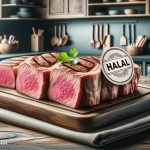
Halal meat is permissible for Muslims to eat according to Islamic law, derived from the Quran and Hadith. The term “halal” means “permissible” in Arabic. For meat to be considered halal, it must meet specific criteria:
- Animal Type: Under Islamic law, animals must be allowed. This includes cattle, sheep, goats, chickens, and certain game types. Pork and its by-products are strictly forbidden.
- Slaughter Process: The slaughtering process, known as “zabihah,” must be performed by a sane adult Muslim. The name of Allah must be invoked at the time of slaughter by saying “Bismillah” (In the name of Allah) and “Allahu Akbar” (Allah is the Greatest).
- Method of Slaughter: The animal’s throat, windpipe, and blood vessels in the neck must be cut swiftly with a sharp knife, ensuring a quick and humane death. The spinal cord must not be severed.
- Draining Blood: All blood must be drained from the veins of the slaughtered animal, as consuming blood is prohibited.
- Pre-Slaughter Conditions: The animal must be healthy during slaughter and treated well throughout life. It must not be subjected to unnecessary suffering.
- Post-Slaughter Handling: The meat must be processed and stored using utensils, equipment, and surfaces that have not come into contact with non-halal substances, including pork and alcohol.
Halal certification agencies inspect and verify these practices to ensure compliance with Islamic dietary laws, ensuring Muslims that their food adheres to their religious principles.
Is Cockles Meat Halal?
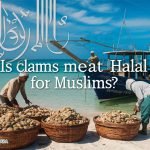
The halal status of cockles, a type of shellfish, can vary based on Islamic scholarly interpretations. According to most Islamic schools of thought, including Shafi’i, Maliki, and Hanbali, most seafood is halal, including shellfish like cockles, and is considered halal rulings on the Quranic verses that bro permit sea creatures for consumption.
However, the Hanafi school of thought typically considers shellfish, including cockles and makruh (detestable), though not strictly haram. This stems from a more cautious approach to dietary laws, where only fish with scales are permissible.
To summarize, while most Islamic scholars and schools of thought regard cockles as halal, there is a divergence of opinion within the Hanafi school. Muslims who follow the Shafi’i, Maliki, or Hanbali schools can generally consume cockles without issue. In contrast, those adhering to the Hanafi school might choose to avoid them or seek further scholarly advice.
Conclusion
Determining whether cockles are halal involves understanding Islamic dietary laws and the varying interpretations among different schools of thought. While the Shafi’i, Maliki, and Hanbali schools generally deem cockles permissible, the Hanafi school categorizes them as makruh, not haram. This distinction highlights the importance of individual interpretation and adherence to one’s specific school of thought within Islam. For many Muslims, consulting with knowledgeable scholars and referring to trusted halal certification bodies can provide clarity and assurance. Ultimately, consuming cockles should align with personal beliefs and religious guidance, ensuring faithfulness and peace of mind.