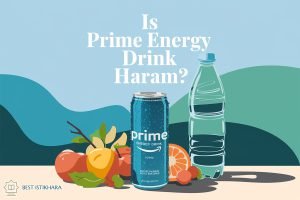
When it comes to dietary choices, Muslims must carefully consider whether the products they consume comply with Islamic dietary laws, known as Halal. Energy drinks like Red Bull often spark curiosity and concern among Muslim consumers regarding their Halal status. This article delves into the question: “Is Red Bull Haram for Muslims?” We will explore the ingredients of Red Bull, its processing methods, and any Halal certifications it may have. Our goal is to provide a clear and informed perspective to help you make a decision aligned with your faith and health requirements. Whether you’re looking to understand more about what makes a product Halal or seeking specific answers about Red Bull, this guide aims to address your concerns comprehensively. Click to get more information about halal vs haram topics discussed in today’s world.
Is Red Bull Halal? Ingredient Breakdown
Red Bull’s formulation includes several components that are critical to review for Halal compliance. The primary ingredients include carbonated water, sucrose, glucose, citric acid, taurine, sodium bicarbonate, magnesium carbonate, caffeine, niacinamide (vitamin B3), pantothenic acid (vitamin B5), vitamin B6, and vitamin B12. The Halal status of Red Bull hinges primarily on taurine and the vitamins, as these can sometimes be derived from non-Halal sources.
Taurine in commercial energy drinks like Red Bull is synthetically created, bypassing the concerns associated with animal-derived ingredients. This synthetic origin ensures that it aligns with Halal dietary laws, which forbid substances made from or containing parts of forbidden animals or using prohibited methods. The vitamins included in Red Bull are also industrially synthesized, adhering to Halal standards by avoiding natural extracts that might conflict with Halal dietary rules.
This breakdown shows that the key ingredients in Red Bull, from a Halal perspective, are permissible, assuming the synthetic methods and sources are maintained. However, Muslims are advised to look for official Halal certification on the product or consult reliable religious authorities for the latest guidance.
Conclusion
In conclusion, the question of whether Red Bull is Haram for Muslims can be addressed by carefully considering its ingredients and the methods used in its production. The synthetic origin of key components like taurine and the B-group vitamins ensures that they align with Halal dietary laws. Additionally, Red Bull’s global distribution often involves Halal certification in many markets, providing further reassurance to Muslim consumers. However, as formulations can vary by region and certifications may be updated, it remains essential for consumers to verify the current Halal status of Red Bull through trusted religious authorities or official Halal certification bodies before consumption. This approach ensures that one’s dietary choices remain consistent with Islamic principles and practices.