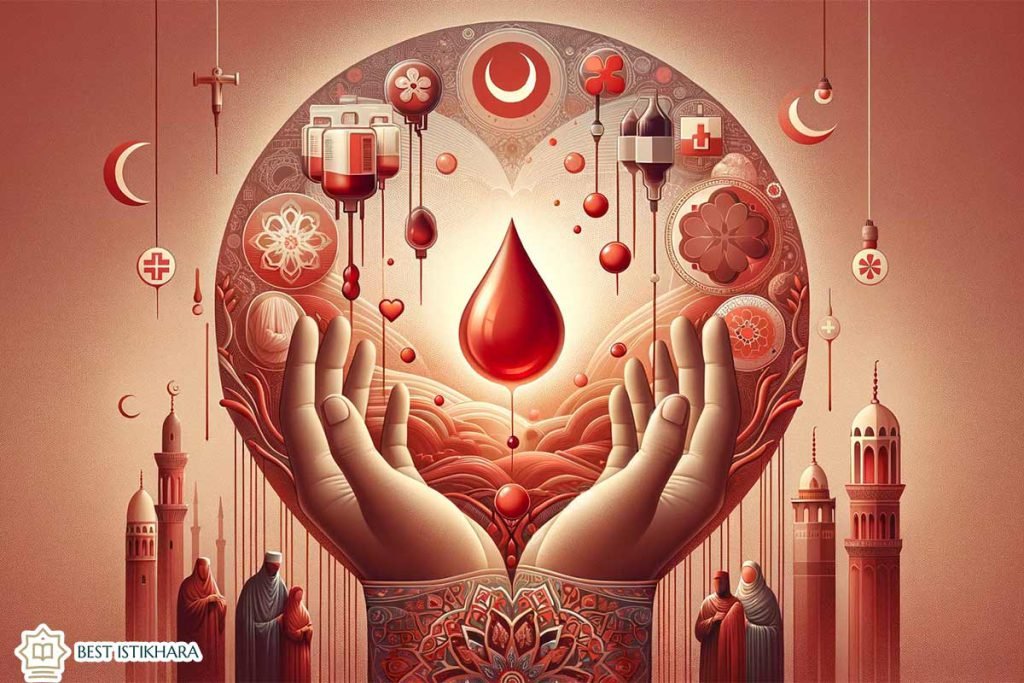
In the compassionate and community-centric teachings of Islam, the act of saving lives and helping those in need holds a place of great significance. This brings to light an important question that resonates within the Muslim community: “Is it halal for Muslims to donate blood?” With the growing need for blood donations worldwide, understanding the Islamic stance on this life-saving act becomes crucial. Islamic scholars and religious texts have delved into this matter, providing guidance that aligns with the principles of kindness, benevolence, and the high regard for human life that Islam promotes. This article seeks to explore, in depth, the permissibility and considerations of blood donation in Islam, shedding light on how this act of generosity fits within the framework of Islamic law and ethics. Through this discussion, we aim to clarify any misconceptions and highlight the importance of blood donation as a noble deed embraced by the faith. Click to get more information about halal vs haram topics discussed in today’s world.
How Blood Donation Aligns with Islamic Values
Blood donation embodies the Islamic principles of compassion, altruism, and community support. In Islam, saving a life is one of the highest acts of charity and is likened to saving all of humanity. This principle is deeply rooted in the Quranic verse, “And whoever saves one – it is as if he had saved mankind entirely” (Quran 5:32). Blood donation is a practical manifestation of this teaching, offering a lifeline to those in need and fostering a sense of solidarity and brotherhood among the community. Furthermore, Islam encourages Muslims to engage in acts that benefit humanity, viewing such deeds as a form of continuous charity (Sadaqah Jariyah). By donating blood, Muslims extend their compassion beyond the confines of their immediate community, touching the lives of people regardless of race, religion, or background. This act of giving not only upholds the Islamic values of benevolence and empathy but also reinforces the universal bond of human kinship.
Islamic Scholars on Blood Donation: Fatwas and Guidance
Islamic scholars have extensively discussed the permissibility of blood donation, offering fatwas and guidance that reflect a consensus on its compatibility with Islamic principles. The majority of contemporary scholars and Islamic legal bodies, such as the Islamic Fiqh Academy and various national fatwa councils, have issued statements supporting blood donation as an act of charity that aligns with the core Islamic value of saving lives. These fatwas emphasize that donating blood does not contradict any Islamic laws, provided it does not harm the donor and is done with the intention of helping others.
Furthermore, scholars highlight the principle of necessity and the collective obligation (fard kifayah) upon the Muslim community to ensure the availability of blood for medical purposes. They reference the Prophet Muhammad’s teachings on the importance of helping others and saving lives, underscoring that blood donation serves a vital role in medical treatment and emergency interventions. Through their guidance, Islamic scholars encourage Muslims to view blood donation as a noble deed, meriting both societal and spiritual rewards.
Muslims: Find Your Blood Donation Opportunities
Muslims looking to donate blood have several avenues to explore that align with their faith and contribute to the greater good. Many Islamic centers and mosques partner with local blood banks to organize blood donation drives, especially during times of need or in the holy month of Ramadan, when the spirit of giving is emphasized. Participating in these events not only supports the community but also fosters a sense of unity and brotherhood.
Additionally, Muslims can visit accredited blood donation centers, which often have information on how the donation process aligns with halal practices, ensuring the procedure is safe and in accordance with Islamic principles. It’s essential to communicate with these centers about any religious concerns, as many are well-equipped to accommodate various needs.
For those interested in making an impact beyond a single donation, volunteering at blood drives or becoming advocates for blood donation within their communities are invaluable ways to raise awareness and encourage others to contribute. By leveraging social media and community platforms, Muslims can spread the word about the importance of blood donation, demystify the process, and inspire more people to get involved.
Conclusion
In conclusion, the act of donating blood is not only permissible but also highly encouraged within the Islamic faith. Islamic scholars and religious texts affirm the compatibility of blood donation with Islamic principles, highlighting it as an act of compassion and altruism that reflects the core values of saving lives and helping those in need. Through the guidance of fatwas and scholarly consensus, Muslims are reassured that participating in blood donation drives and contributing to the health and well-being of society aligns with their religious duties. As such, blood donation represents a beautiful synthesis of faith and humanitarian service, where Muslims can actively demonstrate their commitment to the welfare of humanity in a manner that is both halal and highly rewarding.