Navigating dietary laws is a crucial aspect of life for Muslims worldwide, ensuring that their consumption aligns with Islamic principles. When understanding what is halal, particularly concerning modern food products like jelly, the waters can sometimes seem murky. In food, Halal refers to what is permissible or lawful for consumption according to Islamic law. The concept extends beyond the simple avoidance of pork or alcohol to include how animals are slaughtered, the ingredients used in products, and even the handling and processing of food. With jelly becoming a staple in desserts, snacks, and as a culinary ingredient, its halal status is increasingly questioned by the Muslim community. This stems from concerns about gelatin, a common thickening agent derived from animal sources, which may only sometimes meet halal dietary standards. Understanding the complexities of halal certification, the ingredients in jelly, and the alternatives available is essential for Muslims who wish to adhere to nutritional laws while enjoying this versatile product. This introduction sets the stage for a deeper dive into the specifics of jelly production, ingredients, and the criteria determining its halal status. It provides a comprehensive overview for those seeking to maintain a halal diet. Click to get more information about halal vs haram topics discussed in today’s world.
Understanding Jelly: Ingredients and Production
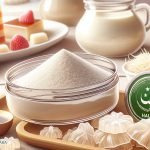
Jelly, a beloved dessert and culinary ingredient, owes its unique texture to a combination of water, sugar, and a gelling agent. The gelling agents, primarily gelatin or pectin, determine the jelly’s texture, with gelatin yielding a firm, clear gel and pectin creating a softer, spreadable texture. Flavorings and acidifiers, like citric acid, are also added to enhance taste and preserve the jelly.
What is Jelly? Definition and common types
Jelly is a semi-transparent, often fruity dessert made by thickening a liquid with a gelling agent. Common types include fruit jellies, usually made with fruit juice and sugar, and gelatin jellies, known for their wobble, derived from animal collagen. Vegan alternatives use agar or pectin instead of gelatin.
The Jelly-Making Process: How it Impacts Halal Status
The jelly-making process starts with heating the liquid ingredients, adding sugar, and then the gelling agent. The gelling agent must be derived from a permissible source for jelly to be halal. Gelatin, a common thickener, often comes from pork or non-halal slaughtered animals, raising concerns. Halal jelly alternatives utilize fish gelatin, agar-agar (from seaweed), or pectin (from fruit), ensuring compliance with Islamic dietary laws. The production environment also plays a role in maintaining halal status, requiring that cross-contamination with haram (forbidden) substances be strictly avoided.
Halal Certification for Jelly
Halal certification is a process that ensures food products meet Islamic dietary guidelines. This certification is particularly crucial for products like jelly, where the halal status of ingredients such as gelatin can be ambiguous.
What Does Halal Certification Involve?
The halal certification process thoroughly inspects the product’s ingredients, sourcing, and manufacturing procedures. Authorities verify that no haram (forbidden) substances are used and that any animal-derived ingredients, like gelatin, come from halal-compliant sources. The process also includes regular audits of the manufacturing facilities to ensure ongoing compliance with halal standards.
How to Identify Halal-Certified Jellies?
Halal-certified jellies usually bear a halal certification mark on their packaging. A recognized halal certification body issues this mark. Consumers should look for this emblem and check the ingredient list for potentially non-halal components.
Importance of Halal Certification for Muslim Consumers
Halal certification assures Muslim consumers that their products align with their dietary restrictions. It eliminates doubt about the consumption of potential haram ingredients, enabling Muslims to enjoy a wider range of products, including jelly, without compromising their faith’s dietary laws.
Shopping Guide: Choosing Halal Jelly
When shopping for halal jelly, it is paramount to identify products that comply with Islamic dietary laws. This guide is designed to help consumers navigate their options and make informed choices.
Top Halal-Certified Jelly Brands
Several brands have earned a reputation for providing halal-certified jelly products. While specific brand recommendations vary by region, consumers should look for products with a clear halal certification mark on their packaging. Brands that partner with reputable halal certification bodies and openly share their certification details are typically reliable.
Labels and Ingredients to Watch Out For
To ensure a jelly product is halal, scrutinize the label for any ingredients of concern. Key ingredients to avoid include gelatin from unspecified sources (as it may be derived from pork or non-halal slaughtered animals) and alcohol-based flavorings. Instead, opt for jellies that use pectin, agar-agar, or gelatin from halal-certified sources. Additionally, the presence of a halal certification mark from a recognized authority is a strong indicator of the product’s compliance with halal dietary laws.
Conclusion
Understanding the halal status of jelly is crucial for Muslims seeking to adhere to their dietary laws while enjoying this versatile and popular food item. The journey from scrutinizing ingredients to identifying halal-certified products emphasizes the importance of awareness and diligence in nutritional choices. By opting for jellies with clear halal certification, using alternative gelling agents like pectin or agar-agar, and staying informed about the ingredients and processes involved in jelly production, Muslim consumers can enjoy this delightful product without compromising their dietary restrictions. This guide aims to empower consumers with knowledge, ensuring their nutritional practices align seamlessly with their faith.
FAQ
- Is all jelly halal?
- Not all jelly is halal. The halal status depends on the ingredients used, particularly the source of the gelling agent. Jellies made with gelatin derived from pork or animals that are not slaughtered according to Islamic law are not halal. However, jellies made with pectin, agar-agar, or gelatin from halal-certified sources are permissible.
- Can vegetarians consume gelatin-based jelly?
- Traditional gelatin is derived from animal collagen, making it unsuitable for vegetarians. Vegetarians should look for jellies made with vegetarian gelling agents like pectin or agar-agar.
- How can I verify the halal status of a jelly product?
- To verify a jelly’s halal status, look for a halal certification mark on the packaging indicating compliance with Islamic dietary laws. Review the ingredients list for any non-halal substances or contact the manufacturer for clarification.
- Are there any halal jelly brands available in supermarkets?
- Halal-certified jelly brands are available in many supermarkets and specialty stores worldwide. These products will typically have a halal certification mark on their packaging. It’s advisable to research or inquire about specific halal brands available in your region.