Is Tabasco Sauce Halal or Haram?

In the quest to adhere to dietary laws prescribed in Islam, Muslims around the world scrutinize the halal status of various food items, including popular condiments like Tabasco sauce. Understanding the halal or haram status of Tabasco sauce is crucial for Muslims striving to maintain a diet compliant with Islamic principles. This article delves into the components, manufacturing process, and Islamic dietary laws to offer a thorough analysis of whether Tabasco sauce is halal or haram. Click to get more information about halal vs haram topics discussed in today’s world.
The Significance of Halal in Islam
In Islam, the concept of halal encompasses more than just food. It is a comprehensive term covering all aspects of life, guiding Muslims towards choices that are permissible and beneficial for their well-being. The dietary laws, in particular, are detailed in the Quran and Hadith, emphasizing foods that are good, pure, and not harmful to health or spirituality.
Understanding Tabasco Sauce Ingredients
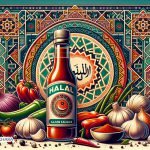
Tabasco sauce, a well-loved condiment, is known for its spicy flavor, derived mainly from tabasco peppers. The basic ingredients of traditional Tabasco sauce include tabasco pepper, vinegar, and salt. These ingredients, in their pure form, are considered halal as they are natural and do not contain any prohibited elements.
Analyzing the Production Process
The production process of Tabasco sauce also plays a crucial role in determining its halal status. The halal certification process scrutinizes every step, from sourcing ingredients to manufacturing, ensuring there’s no cross-contamination with haram substances, such as alcohol or pork derivatives. While the original Tabasco sauce does not inherently contain any haram elements, it’s essential to consider that variations or flavors added to the sauce might include ingredients that could alter its halal status.
Halal Certification
For a product to be confidently consumed by Muslims, halal certification by a recognized Islamic body is vital. This certification assures consumers that the product meets strict dietary guidelines. If Tabasco sauce or any of its variants has received halal certification, it will be marked on the packaging, providing an added layer of assurance to consumers about its permissibility.
Personal Due Diligence
While many Islamic authorities may provide general guidelines, it’s crucial for individuals to perform their due diligence. Checking the latest product ingredients, understanding the production process, and looking for halal certification can help ensure that the Tabasco sauce consumed is compliant with Islamic dietary laws.
Conclusion
In conclusion, the basic formulation of Tabasco sauce—comprising peppers, vinegar, and salt—falls within the halal category, as these ingredients are naturally permissible in Islam. However, the ultimate halal status may depend on the specific product variant, its manufacturing process, and whether it has been officially certified as halal. Muslims are encouraged to look for halal certification or consult with Islamic dietary experts when in doubt, ensuring their diet remains in harmony with their faith.
This comprehensive guide aims to enlighten Muslims about the halal status of Tabasco sauce, fostering informed dietary choices that align with Islamic principles. By prioritizing halal-certified products and performing personal due diligence, Muslims can enjoy the fiery taste of Tabasco sauce without compromising their dietary beliefs.